Trending Articles

Lumix L10 vs. Fujifilm X100VI: Which $1,500 Compact Actually Delivers?

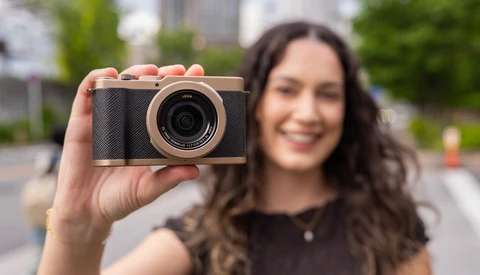
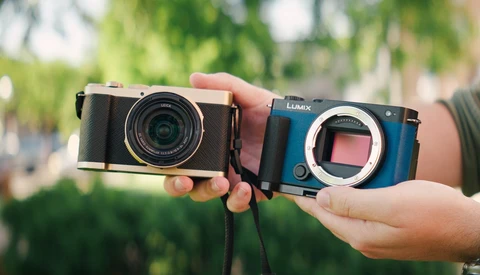
The Lumix L10 is a compact camera built around a 26 MP Micro Four Thirds sensor, a fixed Leica-branded zoom lens, and a spec sheet that will make you question whether Panasonic even knows how to make a simple camera. At $1,500, it sits in a crowded space occupied by cameras like the Fujifilm X100VI, and the question worth asking is whether it can hold its own.

Why the 24-70mm f/2.8 Should No Longer Be the Default First Zoom Purchase

The 24-70mm f/2.8 has been the default first professional lens purchase for at least 25 years. Almost every working photographer has owned one. Every photography forum recommends one to every newcomer asking what to buy after the kit lens. Every wedding educator names it as the foundation of a working kit. Every camera store stocks it at eye level. The lens has been so culturally dominant within working photography that the question of whether it should still be the default has rarely been asked seriously. It should be asked now. 

Why Your ISO Obsession Is Hurting Your Photos

Choosing the right ISO setting is one of those decisions that quietly shapes every photo you take in low or mixed light. Get the thinking wrong, and you either miss the shot or spend years avoiding conditions that could actually produce your best work.

Panasonic Jumps Into the Compact Camera Game With the LUMIX L10

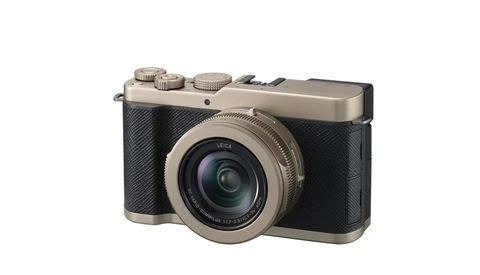
Panasonic has announced the LUMIX L10, a new fixed-lens compact camera built around a Four Thirds sensor and a Leica-branded zoom. The release marks the 25th anniversary of the LUMIX line, and Panasonic is launching the camera in three finishes: Black, Silver, and a limited Titanium Gold Special Edition.

How to Make Digital Photos Look Like Film in Lightroom

Film photography costs money at every step, and if you shoot both film and digital, keeping a consistent look across both can be a real headache. Knowing how to replicate that film aesthetic in post gives you control over the final result without being locked into a single workflow.

OM System Survived Its Split From Olympus: Who Expected This?

When Olympus sold its imaging division to Japan Industrial Partners on January 1, 2021, the new company was called OM Digital Solutions. The OM SYSTEM product brand arrived later, announced in October 2021 as the name the company would put on its cameras going forward. Most of the photography press wrote the obituary in advance of either event. The division had been unprofitable for years. Olympus itself, after more than eighty years of making cameras, was exiting the business. Micro Four Thirds had lost the sensor-size argument in the public imagination to APS-C and full frame. The buyer was a private equity firm, not a camera manufacturer. The standard expectation was managed decline: a few years of catalog padding, a thinning lens roadmap, and eventual fade.

There Might Just Be a Disconnect Between Camera Manufacturers and Market Demands

As with every fast-paced, tech-driven industry, the cycle time for each incremental update in photography equipment seems to get shorter and shorter. Though it has become better for the past few years, each product launch is still not given sufficient time to mature before the next iteration is shoved down our throats. While this might contribute to a better-looking balance sheet from a business standpoint, in the long run, it might lead to a massive disconnect between what camera manufacturers are building and what the market actually demands.

Why "Boring" Locations Might Be Better for Your Photography

Choosing a camera system and committing to a focal length are decisions most serious shooters obsess over, but this approach to both is refreshingly straightforward. After 18 years of shooting, burning out, stepping away, and coming back, this perspective on gear, creative ruts, and where to find compelling images cuts through a lot of the noise.

The Lighting Secret: How to Create Epic Light Anywhere

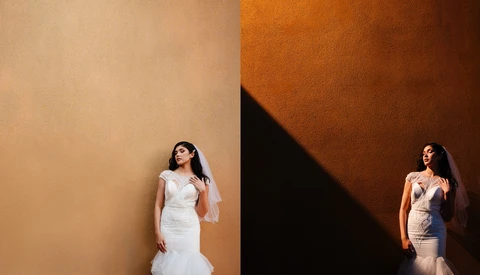
The biggest hurdle many photographers face when jumping into off-camera flash isn't the gear or the settings; it's the "where." We often find ourselves in a beautiful location with boring light, and we struggle to know how to fix the issue. If you've ever looked at a scene and felt stuck because the lighting didn't match your vision, the solution isn't more gear. The solution is learning how to "see" light patterns and then recreating them from scratch.

Why "Less Perfection, More Human" Is the 2026 Photography Trend That Will Last

Photography has spent most of its digital era chasing technical perfection. Sharp focus, clean files, controlled lighting, smooth skin, perfect exposure across the dynamic range. The pursuit was reasonable. Each generation of cameras and editing software made these standards more achievable, and working photographers who failed to meet them risked looking unprofessional. By 2020, a wedding photographer delivering a slightly soft image was apologizing for it. A portrait photographer leaving visible skin texture was risking client complaints. The technical-perfection ceiling kept rising, and the industry kept rising with it.

Thypoch 24-50mm f/2.8: Half the Price of Sony's Version, But Is the Image Quality There?

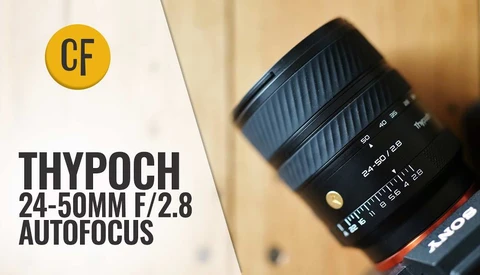
Thypoch built its reputation on manual focus prime lenses, so when the company announced an autofocus zoom, nobody saw it coming. The Thypoch 24-50mm f/2.8 is not only the brand's first zoom lens, it's the first autofocus zoom lens to come out of China entirely, and it lands at $619 on Sony E-mount, undercutting the Sony 24-50mm f/2.8 G by roughly half.

5 Things That Are Worth Splurging On in Photography (and 5 That Are Not)

Photography has a spending problem, and it starts early. The moment you get serious enough to move past the kit lens and the auto mode, the industry opens a firehose of recommendations pointed directly at your wallet. Better bodies, faster glass, studio lighting, editing software, bags, straps, filters, presets, printers, and accessories that promise to make your work look professional before you have figured out what "professional" means for you.

Pushing Boundaries: A Different Take on Photographing Sports

Outdoor photographer Rainer Eder has teamed up with Swiss mountain sports brand Mammut to produce Pushing Boundaries, a visually arresting photo series that reimagines what athletic determination looks like when it's taken out of its natural habitat. Instead of pristine alpine settings, elite athletes are placed into unexpected, often industrial environments — spaces that test their physical ability, adaptability, and mindset.

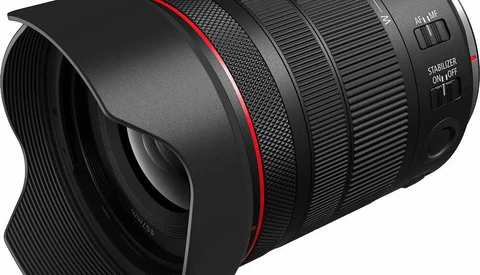
Canon Announces the RF 20-50mm f/4 L IS USM PZ, a Power Zoom for the EOS R6 V Era

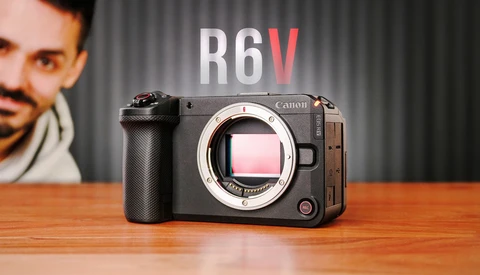
Alongside the EOS R6 V camera body, Canon today announced the RF 20-50mm f/4 L IS USM PZ, the first L-series lens from Canon to include built-in power zoom without requiring an external accessory. The lens is aimed at video shooters and hybrid creators working on gimbals, sliders, and handheld setups, and serves as the native companion to the video-focused EOS R6 V.

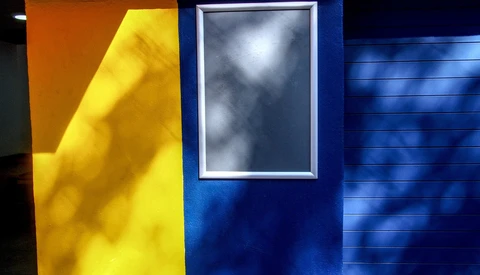
The Geometry of Indifference

There is a kind of photography that pretends to be neutral. Flat surfaces, clean lines, ordinary spaces. Nothing dramatic, nothing loud, nothing that asks to be looked at twice. It's often dismissed as cold, detached, even empty. But that reading is too easy. What we call indifference is rarely indifference. It is a position.