
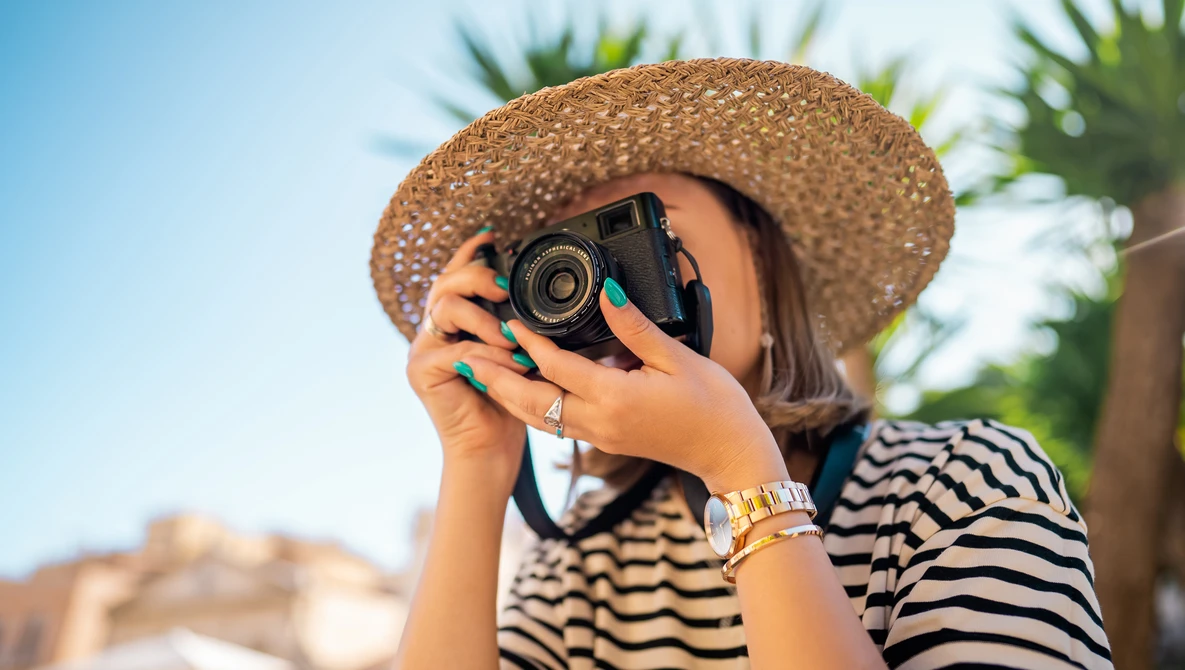
Photography is an exercise in managing variables. Some of those variables bend to your will, and some of them laugh at your attempts to impose order. The sooner you learn to tell the difference, the sooner you stop wasting energy on the wrong problems.
Frustration in photography often comes from trying to control the uncontrollable while neglecting the things that are entirely within your power to change. This isn't just philosophical musing. It has practical implications for how you plan shoots, how you react when things go sideways, and how you evaluate your own progress over time.
What You Can't Control
The Weather and Natural Light Conditions
You can check every forecast app, consult the almanac, and sacrifice a goat to the sun gods, and you will still get surprised. The golden hour you planned around will hide behind a bank of clouds. The overcast day you hoped for will break into harsh sunlight twenty minutes before your session. The "partly cloudy" prediction will turn into a downpour that sends everyone scrambling for cover. This is the reality of working with natural light, and no amount of planning eliminates it entirely.

The temptation is to see this as purely negative, as an obstacle to overcome. But there's another way to frame it. The uncontrollable nature of light is also what makes photography endlessly interesting. If you could dial in perfect conditions every time, the craft would lose something essential. The challenge of adapting, of finding beauty in unexpected conditions, of making something work when the light isn't what you wanted, is part of what separates photographers who grow from photographers who stagnate. The weather will do what it does. Your response is the only variable in your hands.
How Your Work Is Received by Audiences
You pour yourself into an image. You nail the timing, the composition, the processing. You post it expecting engagement, recognition, maybe a little validation. And then it lands with a thud. Twelve likes. Two comments, one of which is a bot. Meanwhile, a throwaway shot you almost deleted gets shared widely and brings in new followers. This is the reality of putting creative work in front of other people, and it never fully makes sense.
Audiences respond to what they respond to. Their reactions are shaped by their own experiences, their mood in the moment, what they've seen recently, what cultural currents are running through their feeds, and a thousand other factors that have nothing to do with the objective quality of your work. A technically brilliant image might leave viewers cold because it doesn't connect emotionally. A flawed image with a compelling subject might resonate deeply because it captures something true about human experience. You cannot predict this with any reliability, and you certainly cannot control it.

Algorithm Behavior on Social Platforms
If audience reception is unpredictable, the algorithms that mediate between your work and potential viewers add another layer of chaos. These systems are designed to maximize engagement for the platform, not to surface the best photography or to help you build a sustainable audience. They reward posting frequency, optimal timing, trending formats, and content that generates quick reactions. They do not reward nuance, depth, or originality in any consistent way.

The healthiest approach is to treat social media as one distribution channel among many, rather than as the primary measure of your work's value or your career's trajectory. Some photographers build genuine audiences and real opportunities through these platforms, and that's legitimate. But the photographers who tie their sense of professional worth to follower counts and engagement rates are setting themselves up for frustration, because those numbers reflect algorithm behavior as much as they reflect anything about the work itself. You can learn the current best practices, post consistently, engage with your community, and still watch your reach fluctuate for reasons that have nothing to do with the quality of what you're creating.
The Behavior of Others
Photography often involves other living creatures, and living creatures have their own agendas. Wildlife photographers spend hours in hides waiting for animals that may or may not appear, and if they do appear, may or may not do anything interesting. You can research migration patterns, scout locations, talk to local experts, and set up in the perfect spot, and the birds will decide today is the day they feed somewhere else. This is simply part of the genre. The lack of control is baked into the endeavor.
But it's not just wildlife. Street photographers deal with crowds that surge unpredictably, pedestrians who walk into the frame at the worst moment, and subjects who notice the camera and change their behavior. Event photographers work around guests who stand in front of important moments, venue staff who rearrange setups without warning, and timelines that shift on the fly. Even portrait photographers, who theoretically have the most control over their subjects, know that genuine expressions can't be forced. You can create conditions that make authentic moments more likely, but you cannot make them happen on command. The person in front of your lens will do what they do, and your job is to be ready when the right moment arrives.

Market Trends and What's Commercially Popular
If you're trying to make a living from photography, you're operating within a market, and markets have their own logic. Styles fall in and out of favor. Entire genres expand and contract based on economic conditions, technological changes, and cultural shifts that no individual photographer can influence. The editorial work that sustained previous generations has largely dried up. Stock photography went through a race to the bottom that devalued the work of countless professionals. Wedding photography trends cycle through looks every few years, and what clients wanted in 2015 may actively turn them off in 2025.

This is worth keeping in mind when you're tempted to compare your career trajectory to photographers who came up in different eras or different market conditions. The opportunities available to you are shaped by forces far beyond your control, and beating yourself up for not achieving what someone else achieved in a different context is neither fair nor productive.
What You Can Control
Your Preparation and Planning
If you can't control conditions, you can at least show up ready for them. Preparation is entirely within your power, and it's one of the most reliable ways to improve your odds of coming away with strong work. This means knowing your gear so thoroughly that operating it becomes automatic, freeing your attention for the actual scene in front of you. It means researching locations before you arrive, understanding where the light will fall at different times of day, and identifying backup options if your first choice doesn't work out. It means checking weather forecasts, understanding what different conditions will mean for your shoot, and planning accordingly.

How You Treat Clients, Subjects, and Collaborators
Your technical skills matter, but your interpersonal skills matter just as much, and possibly more. The way you make people feel during a shoot directly affects the results you get. Subjects who are comfortable and trust you will give you better expressions, more authentic moments, and more willingness to try things that might feel awkward at first. Clients who feel heard and respected will give you more creative latitude, refer you to others, and come back for future work. Collaborators who enjoy working with you will bring their best efforts and want to team up again.

Your Backup Plans When Things Go Wrong
Things will go wrong. Equipment will fail. Weather will turn. Locations will fall through. Subjects will be late or not show up at all. The question isn't whether you'll face these situations but how you'll handle them when they arrive. Having backup plans isn't pessimism. It's professionalism. It's the recognition that variables are outside your control and that your job is to deliver results anyway.

Backup plans also apply at a career level. Diversifying your income streams, building skills in adjacent areas, maintaining relationships across different markets. These are all ways of ensuring that when one thing stops working, you have options. The photographers who survive long-term are rarely dependent on a single client, a single platform, or a single type of work.
Your Willingness to Experiment and Take Creative Risks
Growth requires doing things you haven't done before, which means accepting the possibility of failure. Playing it safe produces predictable results, which is fine if predictable results are what you need, but it won't push your work forward or help you discover what you're actually capable of. The willingness to experiment, to try techniques you haven't mastered, to pursue ideas that might not work out, is entirely within your control and entirely essential for long-term development.

The photographers whose work is most distinctive almost always went through periods of experimentation that didn't lead anywhere obvious. They tried things, failed, adjusted, and tried again. The willingness to do this, to risk looking foolish or wasting time on ideas that don't pan out, is what separates photographers who keep evolving from photographers who plateau.
Your Response to Failure and Rejection
You will fail. You will get rejected. The shoot that doesn't go well, the client who doesn't book, the publication that passes on your pitch, the project that falls flat. These experiences are part of the landscape, and they will happen regardless of how skilled or prepared you are. What's within your control is how you respond when they arrive.
You can let failure confirm your worst fears about yourself, or you can treat it as information. Where did things break down? What would you change if you could run it back? Was there a real lesson here, or was it simply bad luck? The photographers who improve steadily over time are usually the ones who can examine their failures honestly without spiraling into self-destruction. They maintain enough distance to learn from mistakes without being crushed by them.

Conclusion
The distinction between what you can and can't control isn't just a mental exercise. It's a practical framework for directing your energy where it can actually make a difference. Worrying about the weather is pointless. Preparing for multiple weather scenarios is productive. Obsessing over algorithm changes is exhausting. Building skills that remain valuable regardless of platform dynamics is sustainable. Wishing audiences would respond differently to your work is frustrating. Developing your vision and trusting your creative instincts is empowering.
The paradox is that accepting what you can't control often makes you more effective, not less. When you stop fighting the uncontrollable variables, you free up mental and emotional resources for the things you can actually influence. You show up more prepared, treat people better, adapt more smoothly when plans fall apart, take more creative risks, and bounce back faster from setbacks. That's the real competitive advantage, and it's available to anyone willing to be honest about where the line actually falls.
No comments yet