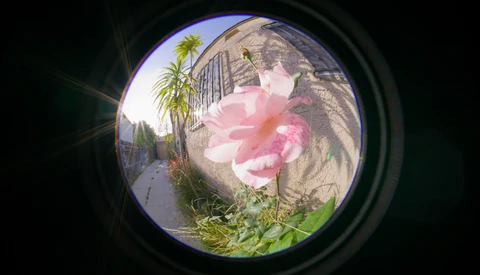
Review of the New Laowa CF 4.5-10mm f/2.8 Fisheye Zoom
Today, I'll have a look at the new Laowa CF 4.5-10mm f/2.8 Fisheye Zoom and share a few thoughts.
Today, I'll have a look at the new Laowa CF 4.5-10mm f/2.8 Fisheye Zoom and share a few thoughts.

More cameras, fewer photographers. As this new day dawns outside my window, I pose a simple yet profound question: Is there still truth in photography?

Photography has spent most of its digital era chasing technical perfection. Sharp focus, clean files, controlled lighting, smooth skin, perfect exposure across the dynamic range. The pursuit was reasonable. Each generation of cameras and editing software made these standards more achievable, and working photographers who failed to meet them risked looking unprofessional. By 2020, a wedding photographer delivering a slightly soft image was apologizing for it. A portrait photographer leaving visible skin texture was risking client complaints. The technical-perfection ceiling kept rising, and the industry kept rising with it.
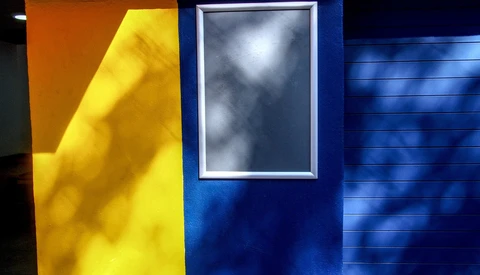
There is a kind of photography that pretends to be neutral. Flat surfaces, clean lines, ordinary spaces. Nothing dramatic, nothing loud, nothing that asks to be looked at twice. It's often dismissed as cold, detached, even empty. But that reading is too easy. What we call indifference is rarely indifference. It is a position.

In March 2026, the National Republican Senatorial Committee released an online ad featuring a minute-long video of Democratic Senate candidate James Talarico speaking into the camera, reading statements the real Talarico had not spoken on camera. The Talarico in the video was generated entirely by artificial intelligence, voicing content drawn from the candidate's old social media posts. The words "AI Generated" appeared in small text in the corner of the frame at the start, then faded into even smaller text that remained on screen while the fake Talarico continued to speak.
Hunter S. Thompson is certainly one of my references — not because he ever cared about photography, but because he understood something most photographers avoid.
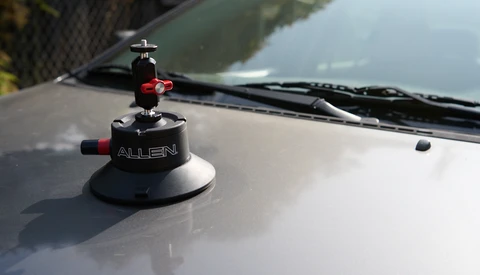
Today, I'll have a quick look at the new Allen Smart Suction Snap Camera Mount. It's a tool designed for mounting compact mirrorless cameras, action cams, and smaller DSLRs to smooth surfaces via a suction cup that can deliver dynamic moving shots.
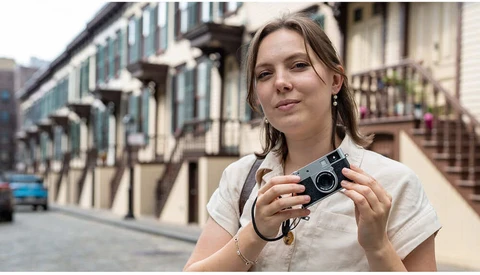
The Fujifilm X100VI has been supply-constrained for more than two years. The camera launched in February 2024, and as of April 2026, availability remains spotty: Fujifilm's own US shop typically shows it as "Notify Me" rather than in stock, and major retailers list the camera as temporarily out of stock with rolling expected availability windows rather than steady inventory. The company raised the US price from $1,599 to $1,799, and the camera still moves for above MSRP on the secondary market. Two years of reported shortages is not a production problem that got solved. It is a demand problem that Fujifilm is openly uninterested in solving.
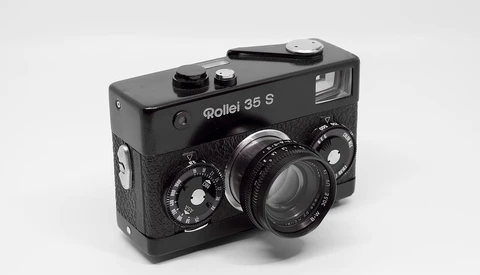
I sold my Mamiya 645AFD, and I regret it every time I think about it, which is more often than I would like to admit. The film got too expensive, and the scanning costs added up, and I told myself the rational thing to do was to let it go and put the money toward something more practical. I was right about the math. I was wrong about everything else.
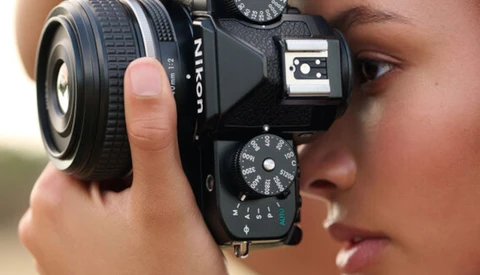
Somewhere around 2010, camera design stopped mattering to the photography industry. The DSLR era had produced bodies defined by ergonomics rather than aesthetics, and the first mirrorless wave carried forward the same logic. Cameras were tools, tools looked like tools, and any photographer who cared about how a camera looked was suspected of being a poseur. The mainstream press reinforced the assumption. Reviewers evaluated bodies by their grip comfort, control layouts, button feel, and weather sealing, and any discussion of aesthetics was treated as either irrelevant or faintly embarrassing.
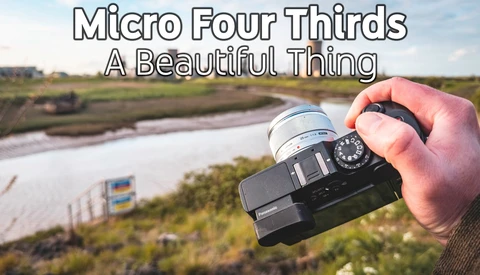
Choosing a camera system means committing to an ecosystem, and for most systems, that means locking yourself into one manufacturer's lenses. Micro Four Thirds breaks that rule in a way that has real, practical consequences for what you can carry and shoot.
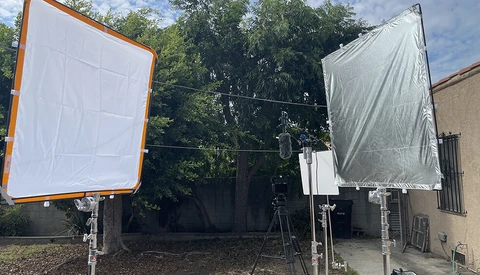
After three decades as a professional filmmaker and photographer, I have learned a lot of things. Most of them, I learned the hard way.
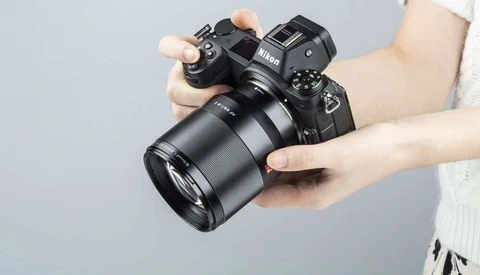
The 85mm prime is the rare lens that almost every working portrait photographer owns, eventually. It is the focal length that does the most flattering work on faces, the easiest one to recommend to a portrait beginner, and the lens most photographers reach for when they want to make a person look the way they want to be seen.
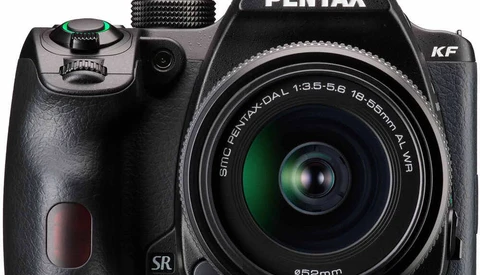
The Pentax K-3 Mark III was officially discontinued in Japan in January 2025. The Monochrome variant has been more complicated: B&H's original black Monochrome listing is now marked "No Longer Available," though it points buyers to a current matte-black Monochrome listing still shown as in stock. After roughly four years of production, the K-3 Mark III is being phased out in stages rather than discontinued cleanly, and the last major APS-C DSLR from a major manufacturer is winding down. By the standard industry narrative, this should be the end of the story. DSLRs are dead. Mirrorless has won. Move on. Except the story is more complicated than that.
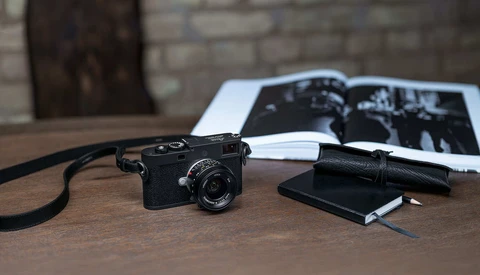
There is a thing Leica does that no other camera manufacturer is willing to do, and it is the thing that makes Leica interesting even to photographers who will never own one. Leica refuses to pretend to be what it is not.
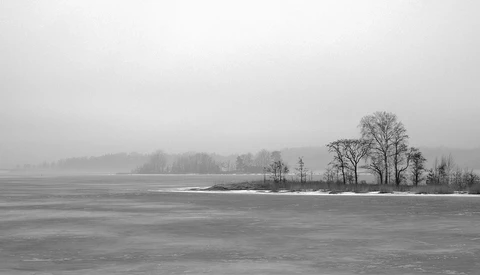
Most photography now lives online. In the feed, in algorithms, in a constant stream of images. This is where the idea of what a photographer is supposed to need gets formed. Cheap did not become better. It became sufficient.
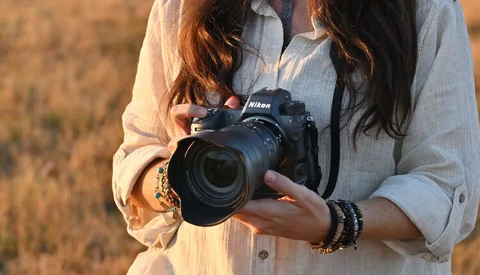
When Nikon announced the Z9 in late 2021, the camera was treated by most of the photography press as Nikon's "we are still here" moment. The brand had spent the early mirrorless years getting beaten in feature comparisons by Sony, criticized for slow autofocus updates, and described in obituary-adjacent language by gear reviewers who had decided Sony had won the format war. The Z9 was supposed to prove Nikon could still build a flagship. It did. Then something more interesting happened over the next four years.
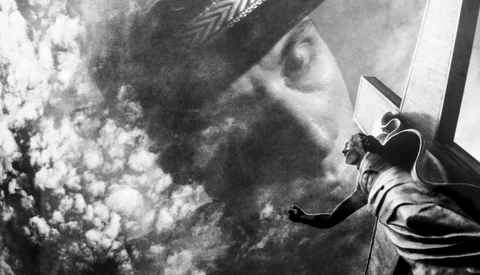
There, I said it. Not bad. Not incompetent. Not untalented. Boring. And boring is far worse.

For most of the past decade, Adobe was not a choice. It was the default. Lightroom and Photoshop were where photographers learned to edit, where the workflows lived, where the presets came from, and where the entire industry quietly agreed to standardize. The price hikes were annoying. The subscription model was annoying. But the alternative was unthinkable, because there was no real alternative.

It is happening quietly. Working photographers, the kind who built audiences in the 30,000 to 200,000 follower range over five or ten years, are deleting their accounts, archiving their grids, or simply going silent. There are no farewell posts. No dramatic announcements. The accounts just stop updating, and a few months later they are gone.

Photography has a money problem. Not a "there is not enough of it" problem, although that is also true for many photographers. A deeper problem: the photography community has developed a set of cultural patterns around money that no other professional industry tolerates, and those patterns are actively suppressing income for everyone in the field.
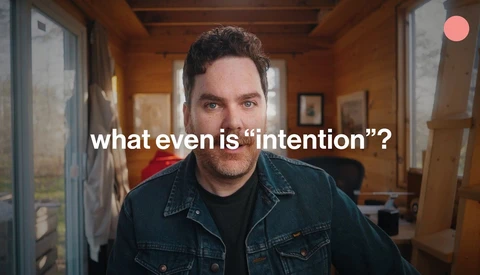
Shooting film won't make you a better photographer. The real argument isn't about film versus digital; it's about where creative intention actually comes from.
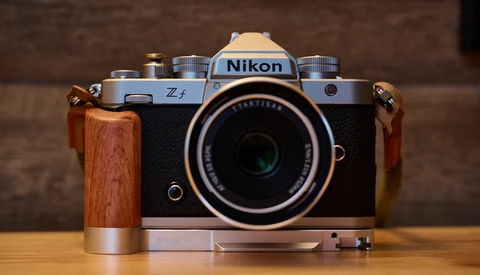
I realize that articles about older cameras don't trend nearly as hard as shiny new toys. But my recent purchase of the Nikon Zf has paid off in more ways than I could have ever imagined.
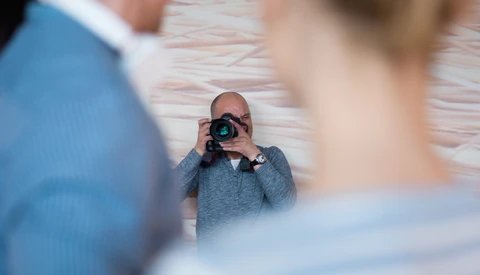
Photography has a generous supply of conventional wisdom. Some of it is earned. Some of it is repeated so often that nobody questions whether it was ever true in the first place. And some of it is actively wrong, kept alive by a community that confuses encouragement with honesty.
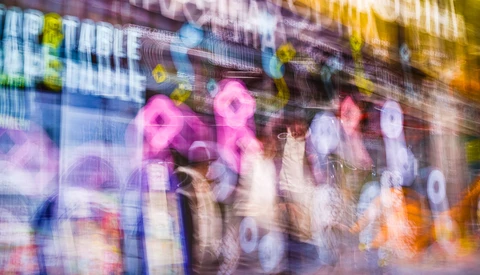
Many photographers produce abstract-looking images accidentally. Far fewer build abstract photography as a discipline.
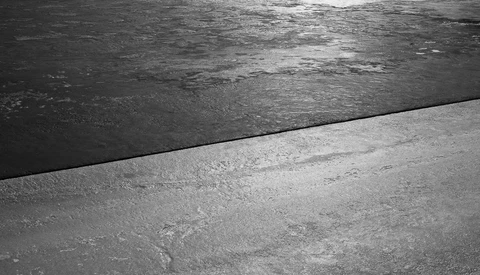
Many photographers produce carefully crafted images and still struggle to gain attention. The problem is rarely a lack of skill. In many cases, the photographs simply belong to an earlier photographic moment.
Sit down with almost any photographer these days, and the conversation goes one of several ways: camera specs, gear rumors, and the perennial question: "What are you shooting with?" What would happen if we changed that conversation to something more?
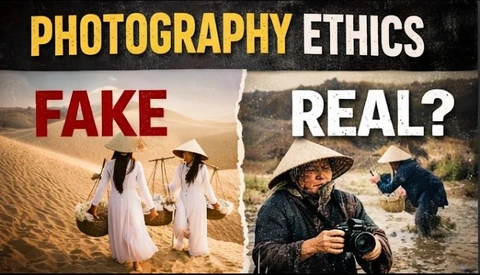
Staging photos and calling them documentary work isn't a gray area. It's a breach of trust, and it's happening more visibly in travel and humanitarian photography at a moment when the credibility of the entire medium is already under strain.
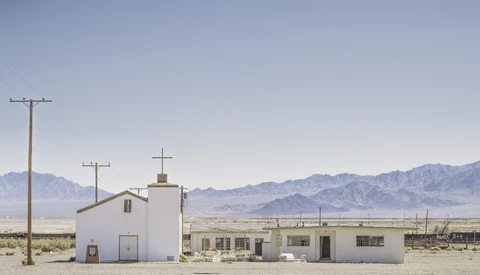
We finally reached a weird point in photography where sharpness isn't even a goal anymore; it's given. Modern lenses are so good that "tack sharp" is basically a factory setting. And yet, scroll any comment section, and you would think sharpness is a whole sport. Not light. Not timing. Not mood. Just crazy sharp.
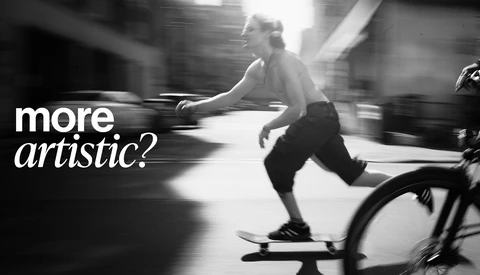
Choosing between black and white and color is one of the oldest arguments in photography, and most takes on it stay shallow. This video doesn't claim to settle the debate, but it does offer a genuinely useful framework for thinking about when and why each choice works.
If you are anything like me, you quickly figure out how to integrate a new camera into your workflow, habit patterns, and shooting environment, and then stop. If this sounds familiar, this video is a great reminder to utilize our gear to its full potential and stop making life harder than necessary.
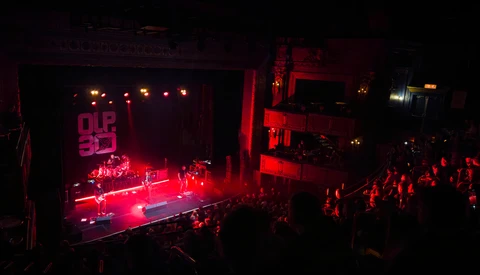
The best concert photography happens in the pit and around the stage, with dedicated cameras and strict access. But when we go, most of us are just fans in the crowd. With a little intention, your phone can document the experience surprisingly well without turning the night into a photo shoot.
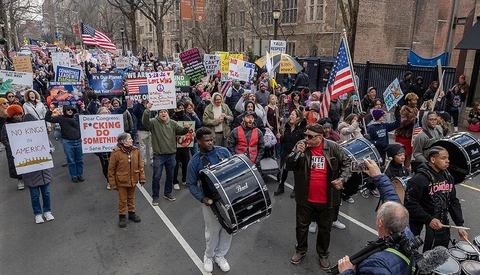
I've been covering protests for a long time, as a journalist and journalism professor, and one of the things I've noticed is that, at least in the Trump era of the last decade, more people are showing up with cameras to photograph these happenings than before. I've been trying to parse out why that is.
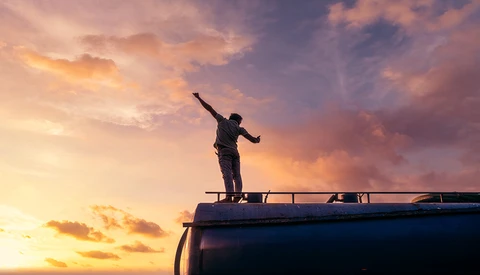
Two photographers. One has decades of experience and a full professional kit. The other is a tourist with an iPhone. On paper, no contest. But the tourist did the homework and found a better vantage point. The pro trusted experience and stayed put, confident that superior gear would carry the day in a space already crowded with photographers. In that moment, the advantage was not skill or gear. It was access.
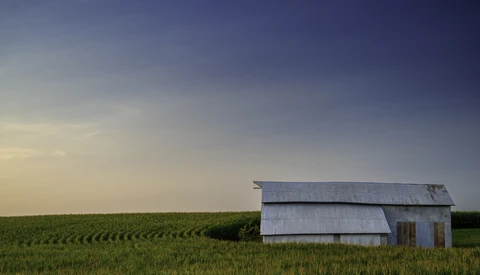
Every photographer has heard it: use better light, tell the story, know your camera. None of that advice is wrong; most advice is just too broad, and it becomes useless. Are we giving photographers real guidance, or just repeating slogans?

Like many digital creators, I've always justified paying more for quality memory, whether that be SD cards, CFexpress cards, or SSDs. Higher-end memory storage is faster, more reliable, and widely trusted. But I never really stopped to consider why that trust exists. That changed when I recently traveled to China to visit Lexar's facilities as part of their 30th anniversary. Seeing the process firsthand gave me a completely new perspective, and in this article, I will share what I took away from that experience.
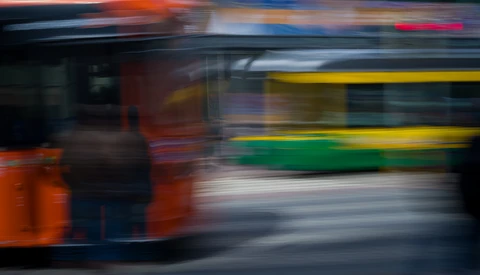
Street photography was built on proximity, on the unscripted moment when two strangers briefly shared the same space and the same gaze. In a world where every face is searchable, traceable, and legally accountable, that proximity no longer carries the same meaning.
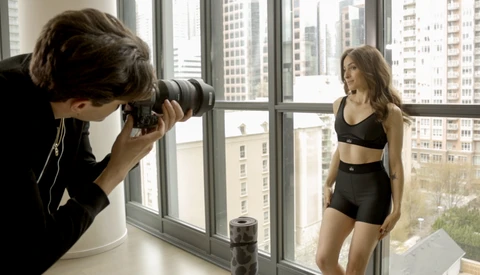
You'll always hear photographers say that you should create the work you want to be paid for. This is a practice I implemented early on but have refined over the years to help me attract new and larger clients, and that is spec shoots.
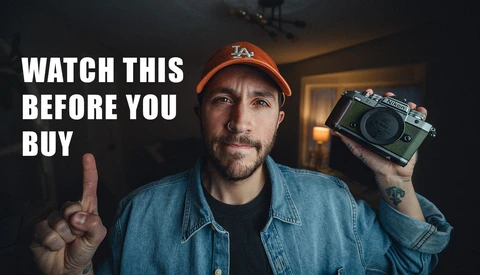
Switching camera systems is one of the biggest gear decisions you can make, and the Nikon Z system has some genuinely compelling strengths alongside a few real frustrations that don't always get discussed honestly. If you're weighing a move, the specifics matter.

Real estate photographers are watching AI tools flood their market and wondering if their work has an expiration date. The answer is more complicated, and the details are worth understanding before you change anything about how you run your business.
Writing for Fstoppers this past year changed my photography in ways I didn't expect. Putting words to my images clarified what I value, what I'm drawn to, and why I keep picking up a camera at all. It turns out that writing about your work might be one of the fastest ways to grow.
Does a technically flawless lens actually make you a better photographer, or does it quietly remove the part of the process where the learning happens?
March 2026 was one of those months where every corner of the photography world seemed to shift at once. From semiconductor crises driven by AI infrastructure to the Supreme Court declining to touch a pivotal AI copyright case, from the biggest camera trade show on the planet delivering almost no new cameras to Kodak rewriting the names of its most beloved film stocks, this was a month that will be remembered as a turning point. These ten stories captured the month.

AI-generated real estate listing photos are showing up on major property websites, and buyers have no way to tell they're fake. In California, a law requiring disclosure already exists, and agents are still ignoring it.
In 2025, going into 2026, it seems that photography isn't always just enough. You usually need something else on the go or another way to earn income to survive the slow periods between jobs. As a professional photographer for quite some time now, I've developed a handful of income streams built in and around photography that allow me to take a little pressure off when I may not be as booked and busy as I otherwise am.
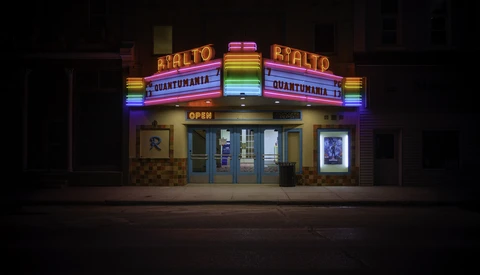
Every photographer has experienced a moment where they almost raise the camera but refrain from pressing the shutter. What if, during photography, we began by saying yes instead of no?
The question of what a professional photographer is actually worth in 2026, when anyone with a phone or an AI prompt can produce a compelling image, is one that cuts to the core of building a sustainable career behind the camera. If you can't answer it clearly, charging real money for your work becomes almost impossible to justify.
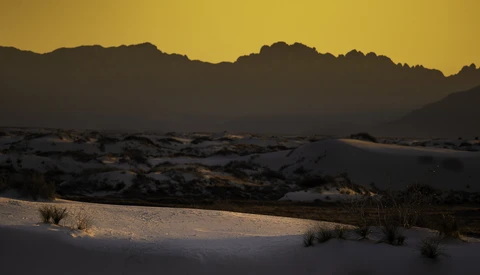
Nikon has released some of the most iconic cameras, including the Nikon F in 1959 and the D1 in 1999, the first digital camera to replace film for working professionals. Occasionally, even the legends miss.
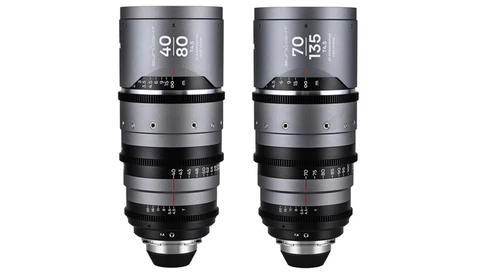
Recently, I got a chance to have a look at the brand-new Laowa Sunlight 2x FF Anamorphic Zoom Series and thought I'd share a thought or two.
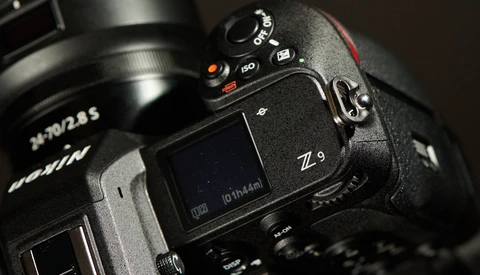
Today, I'm not talking about the newest camera on the market. But I'm talking about one of the best. And, in the end, that's kind of the point.