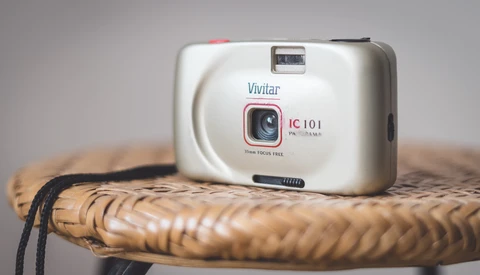
This Is One of the Stupidest Cameras Ever Made and I Love It
If you dream of owning a Hasselblad XPan, you might want to consider this much more affordable alternative. Or, given how stupid it is, maybe not.
If you dream of owning a Hasselblad XPan, you might want to consider this much more affordable alternative. Or, given how stupid it is, maybe not.
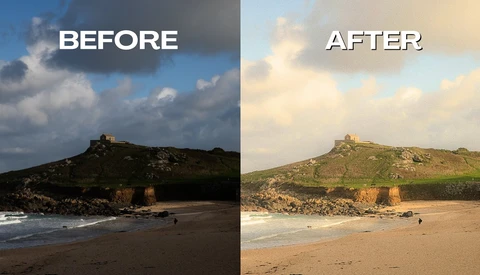
Film photography costs money at every step, and if you shoot both film and digital, keeping a consistent look across both can be a real headache. Knowing how to replicate that film aesthetic in post gives you control over the final result without being locked into a single workflow.
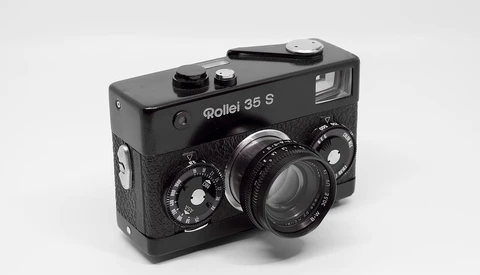
I sold my Mamiya 645AFD, and I regret it every time I think about it, which is more often than I would like to admit. The film got too expensive, and the scanning costs added up, and I told myself the rational thing to do was to let it go and put the money toward something more practical. I was right about the math. I was wrong about everything else.
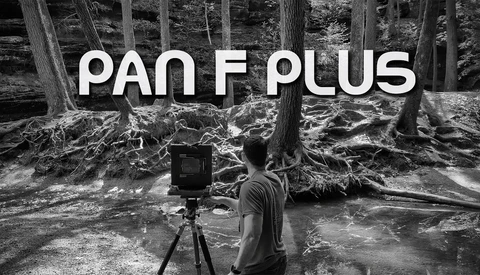
The beloved Ilford Pan F Plus is now available in 4x5 and 8x10 sheet film for the first time, and it's a bigger deal than it might seem at first glance. Sheet film manufacturing isn't as simple as cutting down roll film stock, as the base thickness has to be different to keep the emulsion stable, aligned with the film plane, and practical to load and process, which is exactly why not every emulsion makes it to large format.
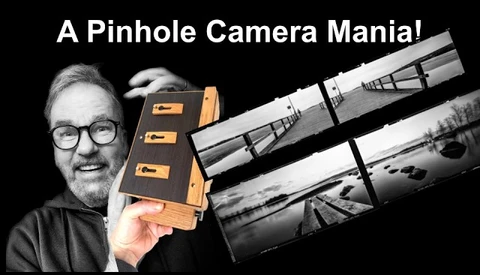
Pinhole photography strips the camera down to almost nothing: a box, a hole, and light. Most pinhole cameras are exactly that simple, but the Mania, handcrafted by German woodworker and photographer Ralph Mann, is a modular wooden pinhole system that pushes what a camera without a lens can actually do.
I learned early that a lot of "broken" film cameras aren't broken—they're just stuck. The symptoms were always the same: you'd cock the shutter, press the release, and nothing would happen… or it would fire once and then lock up like it was offended you asked it to work in 2026. Sometimes it wasn't a dramatic failure, just that dead, sluggish feeling of old grease turning into glue.

Shooting film won't make you a better photographer. The real argument isn't about film versus digital; it's about where creative intention actually comes from.

There’s something surprisingly novel about making a new lens for a system that predates the governments of many modern countries. The Leica Thread Mount (LTM, also known as the M39 mount), born in the early 20th century wasn’t designed for firmware updates, autofocus motors, or clinical perfection. It was designed for walking. For looking. For getting close enough to feel like you were part of the scene rather than observing it from a safe distance.
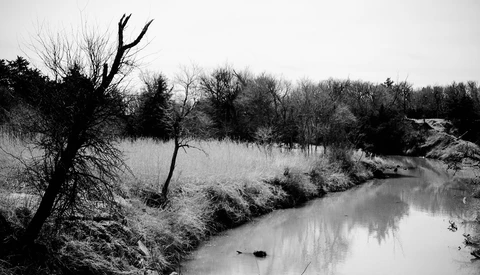
If you're trying to choose between the original Pentax 645 and the Mamiya M645 1000S, you're not really asking about features. You're asking which one will make your portraits and landscapes look the way you want.
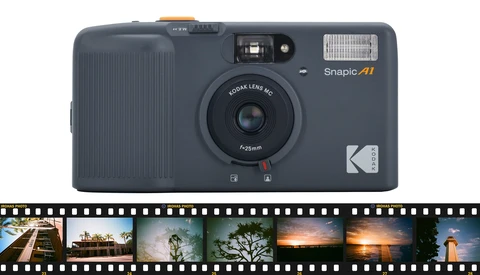
The Kodak Snapic A1 is a lot of fun. I've been using this slimline 35mm film camera for the last three months, taking it everywhere with me — including on a two-week holiday to Japan. In this article I'll tell you why it's so fun, sharing highlights from my first five rolls.
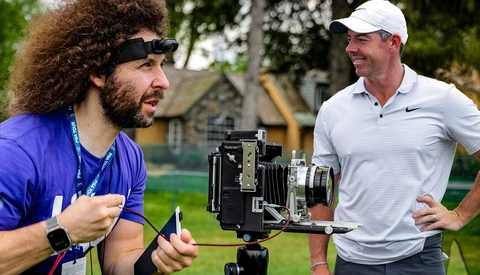
A 4x5 large format camera is fully manual, everything from focus to exposure to winding the shutter, which makes it a strange choice for photographing a professional golfer signing autographs for a crowd of screaming kids. That's exactly what Jared Polin did at The Truist, a PGA event, capturing one of golf's biggest names just before McIlroy went back-to-back winning the Masters.
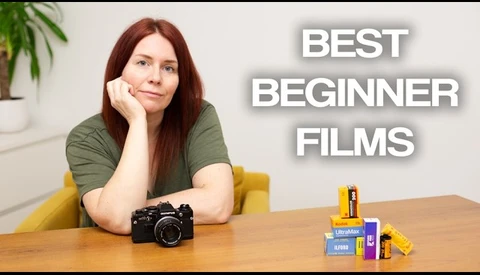
Picking the wrong film stock can ruin an entire roll before you ever press the shutter. ISO, light conditions, and your specific camera's limitations all play into which film actually makes sense for a given shoot, and getting this wrong costs you both money and photos.
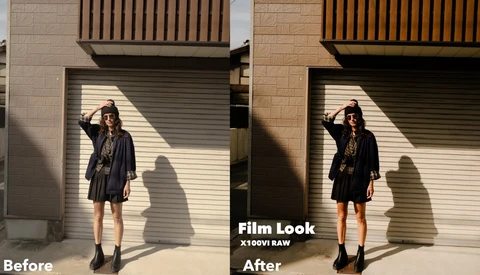
The Fujifilm X100VI has become one of the most talked-about compact cameras in recent years, and for good reason. It fits in your pocket, goes anywhere, and produces files that can genuinely be pushed toward a 35mm film aesthetic without much fighting.
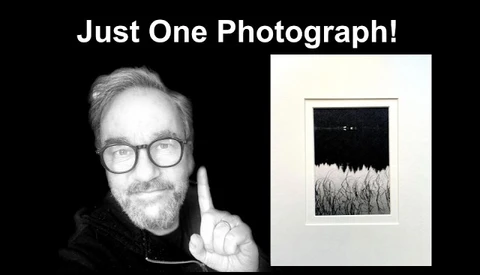
Slowing down and making a single print from start to finish is one of the hardest things to do when you shoot a lot. Most people never get there, not because they lack the skill, but because the habit of moving on to the next shot is almost impossible to break.
Shooting film for a decade gives you a clear view of what separates a polished image from one that looks like it came from a beginner. The culprit is almost never the camera or the film stock itself; it's a handful of repeatable mistakes that are completely fixable once you know what to look for.
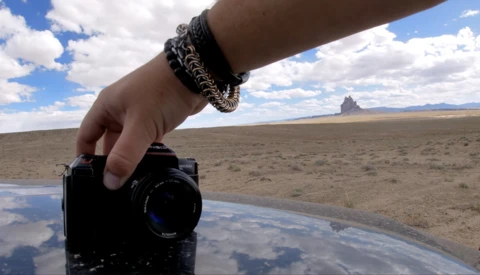
For many of us, photography has been an outlet for processing loss, grief, and our connection to humanity. One photographer takes us along his own journey in the literal footsteps of his ancestors — through the viewfinders of their very own cameras.
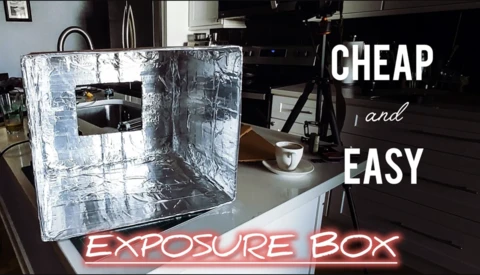
Historical and alternative printing has experienced a popular resurgence in recent years. Let me show you how to make a cheap and easy lightbox for printing cyanotypes, salt prints, and other alternative printing processes.
Film photography is expensive, slow, and often inconvenient, yet more people keep picking it up. You’ve likely wondered whether it’s nostalgia, trend chasing, or something digital simply can’t replace.
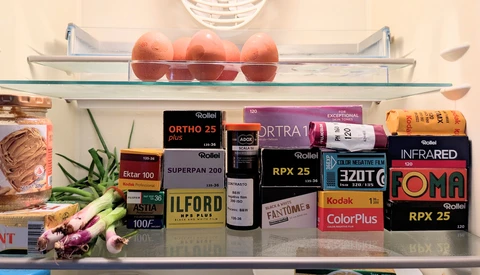
I know exactly where this starts: standing in front of the fridge, door open, chilly air spilling out, pretending I’m just “checking what I have” when I already know every box and canister by heart.
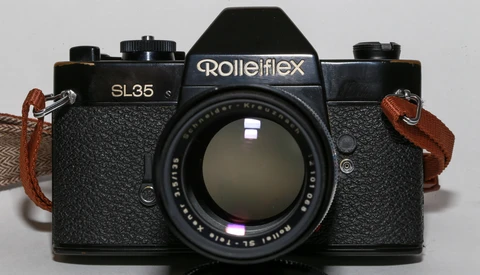
Every film shooter has a version of this story.
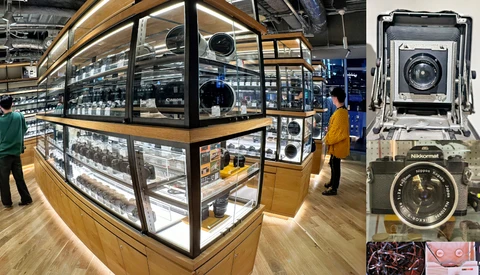
Film photography, vinyl records, analog synthesizers covered in knobs, cassettes, and other once-obsolete formats have enjoyed a sustained revival. Why is that? Boomers often dismiss this resurgence as a “hipster” trend. But when a trend has been growing, evolving, and attracting new participants for more than 25 years, it’s clear that something deeper is going on.
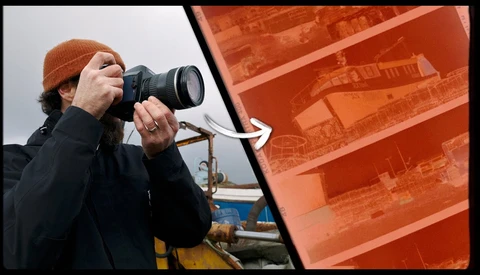
If you're thinking of trying something new or making the most out of your Pentax 645N, a film photographer's medium format experiment may inspire you.
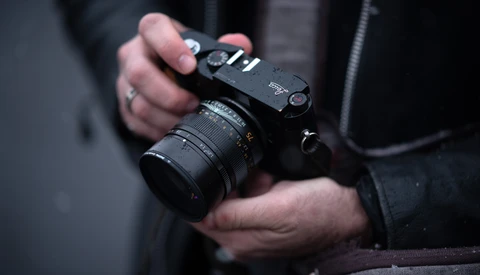
I've been struggling with how to describe my experience with the newly released 7Artisans 75mm f/1.25 II lens. Really, I've had two different experiences, both wildly in friction with one another.
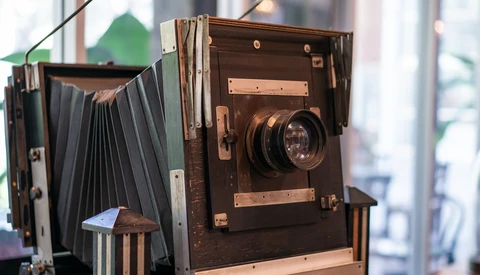
The photographs that survive from the nineteenth century carry a strange weight. Daguerreotypes of solemn faces, wet plate portraits of Civil War soldiers, albumen prints of Victorian families posed in their Sunday best. What we rarely consider when looking at these images is what their creation cost the people who made them. The early history of photography reads less like the story of an art form and more like a catalog of occupational disasters.
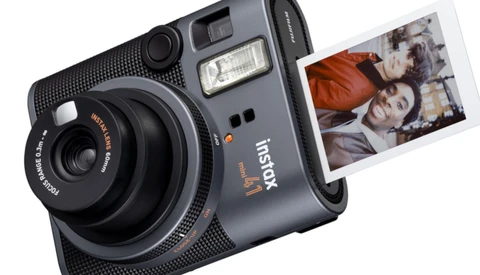
The analog photography revival is real. You can see it at every wedding reception with a disposable camera basket, every college campus where students dangle point-and-shoots from their wrists, every TikTok tutorial on how to load a roll of Kodak Gold. But if you follow the money instead of the aesthetics, you'll find two radically different stories unfolding under the same "film is back" umbrella.
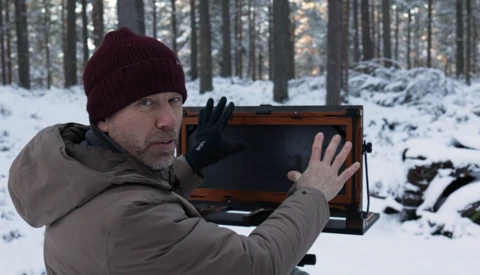
You can shoot the same subject twice and still end up with two completely different photographs when the conditions change, especially when snow rewrites every edge and shadow. This video follows an ultra-large format camera shoot where the stakes are simple: get it right before the light fades and before you ruin the scene by walking through it.
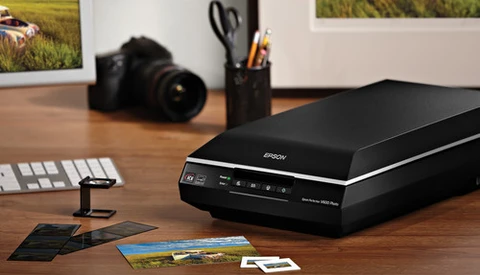
If you spend any time in film forums, you’ll see a familiar pattern: someone buys an Epson V600, scans a roll they’re really excited about, and immediately decides the scanner is trash.

Film photography has experienced a remarkable resurgence over the past decade, drawing in photographers who crave something tangible in an increasingly digital world. But here's the uncomfortable truth that nobody mentions in those dreamy Instagram posts of vintage cameras and coffee shop aesthetics: film is expensive. When you factor in the cost of a roll of quality 35mm stock, professional development, and scanning, every single frame you shoot costs roughly $1.50. A 36-exposure roll represents a $40-50 investment before you even see the results. Unlike digital, where you can fire off 500 shots and delete 499 of them without consequence, film punishes mistakes with real financial pain.

On the rig, the camera only came out on the easy days.

Let's address the elephant in the room: shooting film is expensive, and it's only getting worse. We all love the aesthetic, the satisfying mechanical clunk of a manual shutter, and the deliberate slowness that forces us to actually think before we press the button. But somewhere between the nostalgia and the reality, the math stopped making sense. Here's how to make it reasonable again.
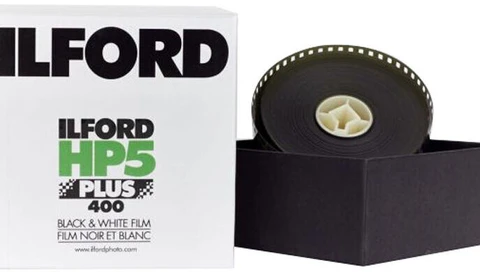
Film prices aren’t creeping up anymore; they’re sprinting.
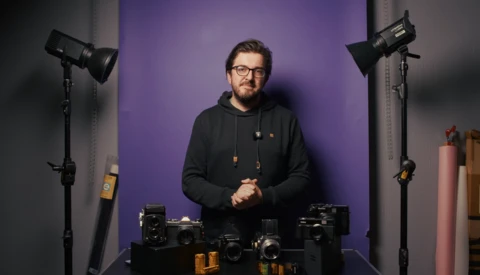
Film can make you slow down, commit to a frame, and accept that you will not know what you got until later. If film is calling your name, the fastest way to avoid wasting money is to understand the few choices that actually matter before you buy anything.
Film photography is often described as honest, natural, and human. But that “honesty” has long turned into nostalgia, a ritual we keep repeating to reassure ourselves that craft means control.
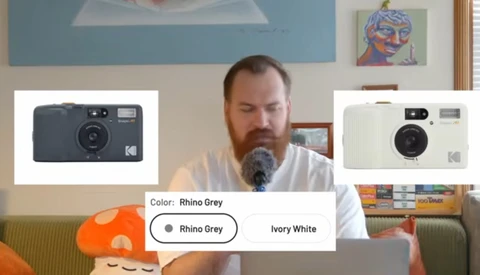
Film photography has quiet weeks where the news feels like a half-used roll you forgot in a drawer. This wasn’t one of those weeks.
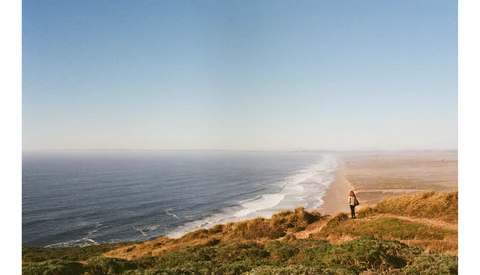
Over the last few weeks I’ve been testing out the newly released Kodacolor 200, shooting over the course of a long-needed road trip along the Pacific Northwest coastline, as well as in New York and during several news events.
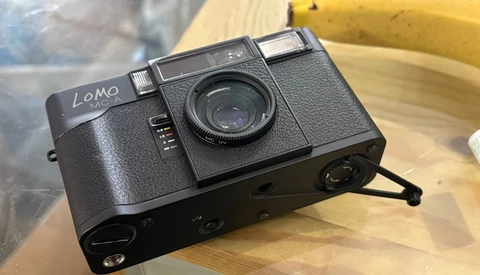
Lomography recently announced its newest camera, the Lomo MC-A, and it raised a bit of a ruckus. It’s an entirely new point-and-shoot camera with some fascinating features and promising ideas. On Friday, I got the chance to handle one of the prototypes at the Lomography office in DUMBO (“Down Under the Manhattan Bridge Overpass” for non-New Yorkers), and I have to say, I really liked what I saw.
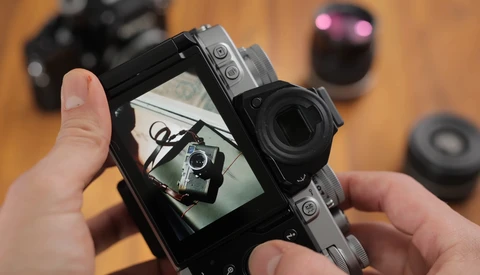
The new Nikon Zf firmware update quietly turns a familiar camera into a stronger everyday tool, especially if you chase a film look without giving up digital speed. If you want JPEGs that feel intentional straight out of camera instead of plastic and cold, this one deserves attention.

Film is having another moment. Thrift stores are lighter on old SLRs than they used to be; teenagers are loading rolls their grandparents forgot about; family closets keep surrendering shoeboxes that smell like basements, cedar, and Kodachrome. If you want those images to live again—on phones, on walls, in books—you don’t need a museum-grade scanner or a lab behind a glass wall. You need a steady hand, a repeatable rhythm, and a machine that shows up every time. For me, that’s the Epson Perfection V600 Photo Scanner.
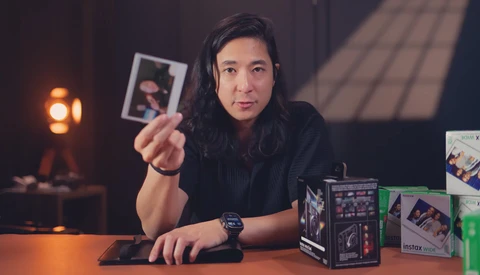
Instant prints change the energy in a room and turn quick snaps into keepsakes you can pass around. A hybrid instant camera that lets you shoot, tweak, and print on the spot gives that feeling back without trapping memories on a phone you’ll never scroll again.

The Leica M3 defined an era—an icon of precision engineering that still inspires photographers seven decades later. The KEKS M-Meter revives that legacy, bringing modern metering to classic M bodies without sacrificing the mechanical purity that made them legendary.
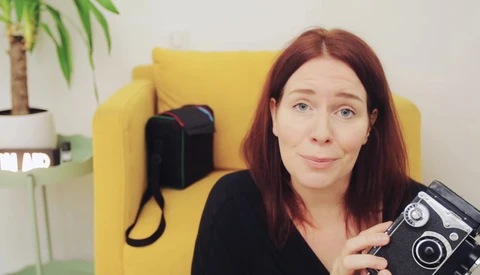
Film photography isn’t just about getting the shot right. It’s about managing a process filled with quirks, habits, and mistakes that even experienced shooters still make. You’ve likely loaded a roll, fired off a few frames, and realized something went wrong—not with your skill, but with your setup or attention. These are the kinds of lessons that only come with time and repetition.
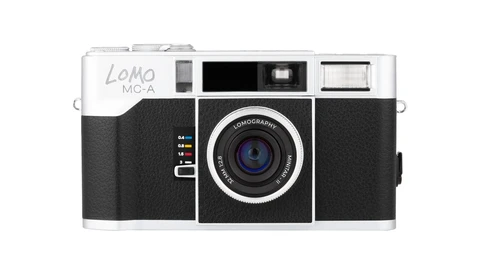
Lomography has unveiled the Lomo MC-A, a new 35mm film camera that blends classic analog control with modern usability. Designed for both casual film shooters and hands-on creators, the MC-A offers a 35mm format, autofocus and manual focusing, and a solid metal body built for everyday use.
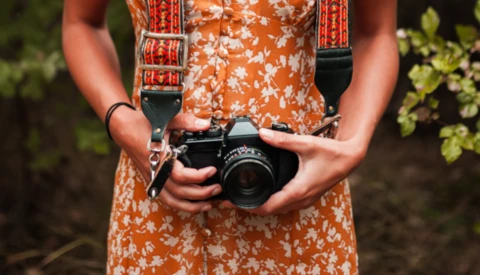
Every time I load a memory card into my camera, I think about the satisfying mechanical click of loading a fresh roll of film. Modern digital cameras are technological marvels, packed with computational photography, eye-tracking autofocus, and in-body stabilization that would seem like science fiction to photographers of the 1990s. But in our rush toward the future, we've left behind some genuinely clever innovations that solved real problems in elegant ways. These weren't gimmicks or marketing features. They were thoughtful solutions born from the unique challenges of film photography, and some of them reveal just how much we've gained and lost in the digital revolution.
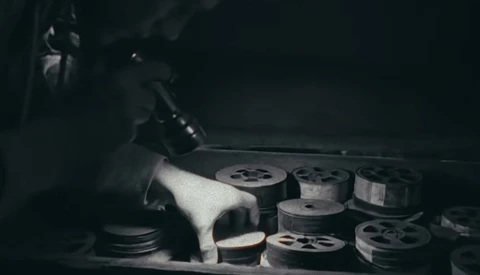
Expired film doesn’t just shift colors or create funky tones. Once it’s old enough, it can completely fail, leaving you with nothing but blank frames. That risk is especially real with rolls from the 1940s and 50s, where the materials themselves may have already broken down beyond use. Experimenting with this kind of film can be fascinating, though.
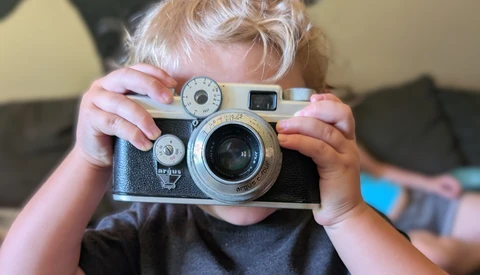
Walk into any thrift store today and you might see it: a teenager with blue hair and earbuds thumbing through a dusty bin of film cameras, holding up a Canon AE-1 like it’s a time machine. For Gen Z, film was the cool rebellion—the antidote to megapixels and algorithms. They rediscovered what their parents left behind, turned Kodak Gold into an Instagram aesthetic, and made a $50 point-and-shoot worth five times that on eBay.
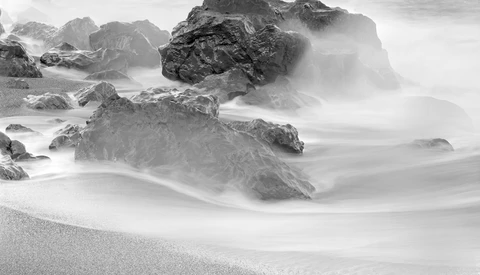
One of the most important things we can do when we are engineering our photographs is to control, or to direct, where we want the viewer’s eyes to go—what it is that we want them to see. To do that, we must use the architecture of the image to bring visual interest up in the areas that are most important and find ways to diminish what we either want to hide or at least subdue in interest.
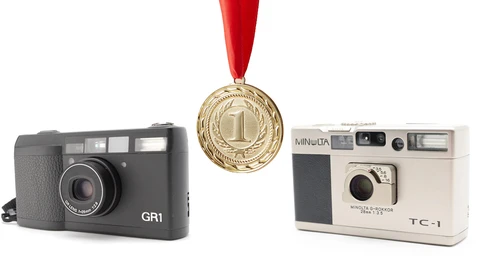
I recently shot a roll of side-by-side photos in the Ricoh GR1 and the Minolta TC-1. I loaded both of these compact classics with Kodak Portra 160 and shot the images around Brisbane.
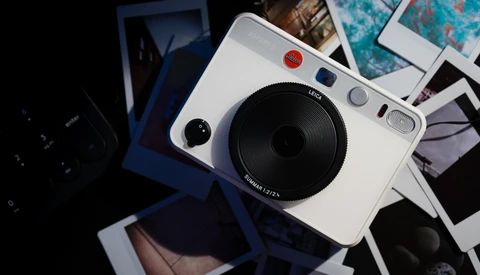
Film may be back in style, but instant photography has become the life of the party—thanks to Fujifilm and Polaroid. Now Leica, a name tied to photographic excellence for over a century, has stepped into the ring with the SOFORT 2. The question is simple: Can the masters of precision still deliver when the goal is fun, fast, and instant?
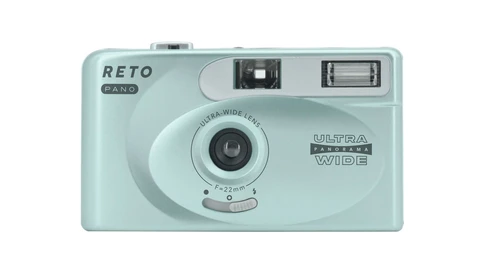
The Reto Pano is the latest addition to Reto’s growing family of affordable and fun film cameras. With its built-in flash and panorama mode, this little point-and-shoot promises a nostalgic 90s shooting experience at the accessible price of just $35.
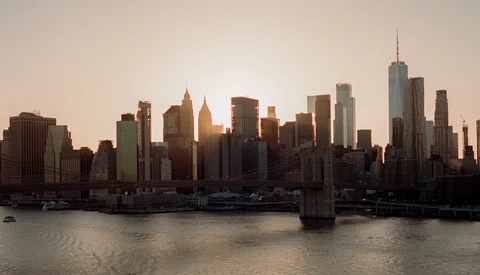
The Leica MP may have been released in 2003, but it feels more relevant than ever. While new cameras and smartphones flood the market every year, a film body like this manages to stay useful long after the excitement of new tech fades. That longevity makes it worth a closer look if you care about the process of shooting as much as the results.